
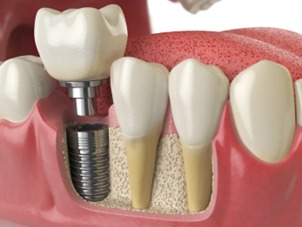
What Are Dental Implants?
Dental implants are artificial tooth roots made of biocompatible materials, usually titanium, that are surgically placed into the jawbone to support a replacement tooth, bridge, or denture. They provide a strong, permanent foundation for fixed or removable replacement teeth that look and function like natural ones.
Dental implants are widely regarded as the gold standard for replacing missing teeth.
Who Is a Good Candidate for Dental Implants?
You may be a suitable candidate for dental implants if:
You have one or more missing teeth
Your jawbone is fully developed and has enough bone to support the implant
Your oral tissues are healthy
You don’t have health conditions that affect bone healing
You don’t smoke or are willing to quit during healing
Types of Dental Implants
1. Endosteal Implants
These are the most common type. They are placed directly into the jawbone and support one or more prosthetic teeth.
2. Subperiosteal Implants
Placed under the gum but above the jawbone, subperiosteal implants are used in patients who don’t have enough healthy bone and aren’t suitable candidates for bone grafting.
The Dental Implant Procedure: Step-by-Step
1. Consultation and Evaluation
Your dentist will assess your oral and general health through exams, X-rays, and possibly 3D imaging.
2. Tooth Extraction (if needed)
If the damaged tooth is still present, it will be removed.
3. Bone Grafting (if necessary)
If your jawbone isn't thick or dense enough, a bone graft may be performed to support the implant.
4. Implant Placement
The implant post is surgically inserted into the jawbone. Healing takes several months (osseointegration), during which the bone fuses with the implant.
5. Abutment Placement
Once healed, an abutment (connector) is placed on the implant.
6. Crown Placement
Finally, a custom-made crown is attached to the abutment, completing your new artificial tooth.
Benefits of Dental Implants
Permanent Tooth Replacement Natural Look and Feel Improved Speech and Chewing Ability Prevents Bone Loss Preserves Facial Structure No Impact on Adjacent Teeth Extremely Durable (Can Last a Lifetime with Proper Care)
How Long Do Dental Implants Last?
Dental implants can last 15 to 25 years or even a lifetime with proper oral hygiene and regular dental check-ups. The crown may need replacement every 10-15 years, depending on wear.
Risks and Possible Complications
While dental implants are highly successful (with a 95–98% success rate), potential risks include:
Infection at the implant site
Nerve damage (rare)
Implant failure or rejection
Sinus problems (for upper jaw implants)
Peri-implantitis (gum inflammation around the implant)
These risks can be minimized with proper planning and experienced dental care.
Dental Implant Aftercare Tips
To ensure long-term success of your implants:
Brush and floss daily, just like with natural teeth
Use an antibacterial mouthwash if recommended
Avoid smoking, which increases the risk of implant failure
Avoid biting hard objects (ice, pens, etc.)
Visit your dentist regularly for check-ups and cleanings
Cost of Dental Implants
The cost of dental implants varies based on location, the number of implants needed, and whether additional procedures (like bone grafting) are required. On average:
Single Tooth Implant: $3,000 – $5,000
Full Mouth Implants: $20,000 – $50,000+
Although expensive, dental implants are a long-term investment in your health, comfort, and confidence.
Dental Implants vs. Other Tooth Replacement Options
|
Feature |
Dental Implants |
Dental Bridges |
Dentures |
|
Longevity |
15+ years to lifetime |
5–15 years |
5–10 years |
|
Stability |
Very stable |
Less stable |
May slip or move |
|
Bone Preservation |
Yes |
No |
No |
|
Aesthetic |
Natural-looking |
Moderate |
Varies |
|
Impact on Adjacent Teeth |
None |
May require reshaping |
None |
Final Thoughts
Dental implants are a revolutionary solution for replacing missing teeth. Offering unmatched durability, function, and aesthetics, they restore not just your smile, but also your quality of life. If you're considering implants, consult with a qualified implant dentist to determine the best treatment plan for your needs.